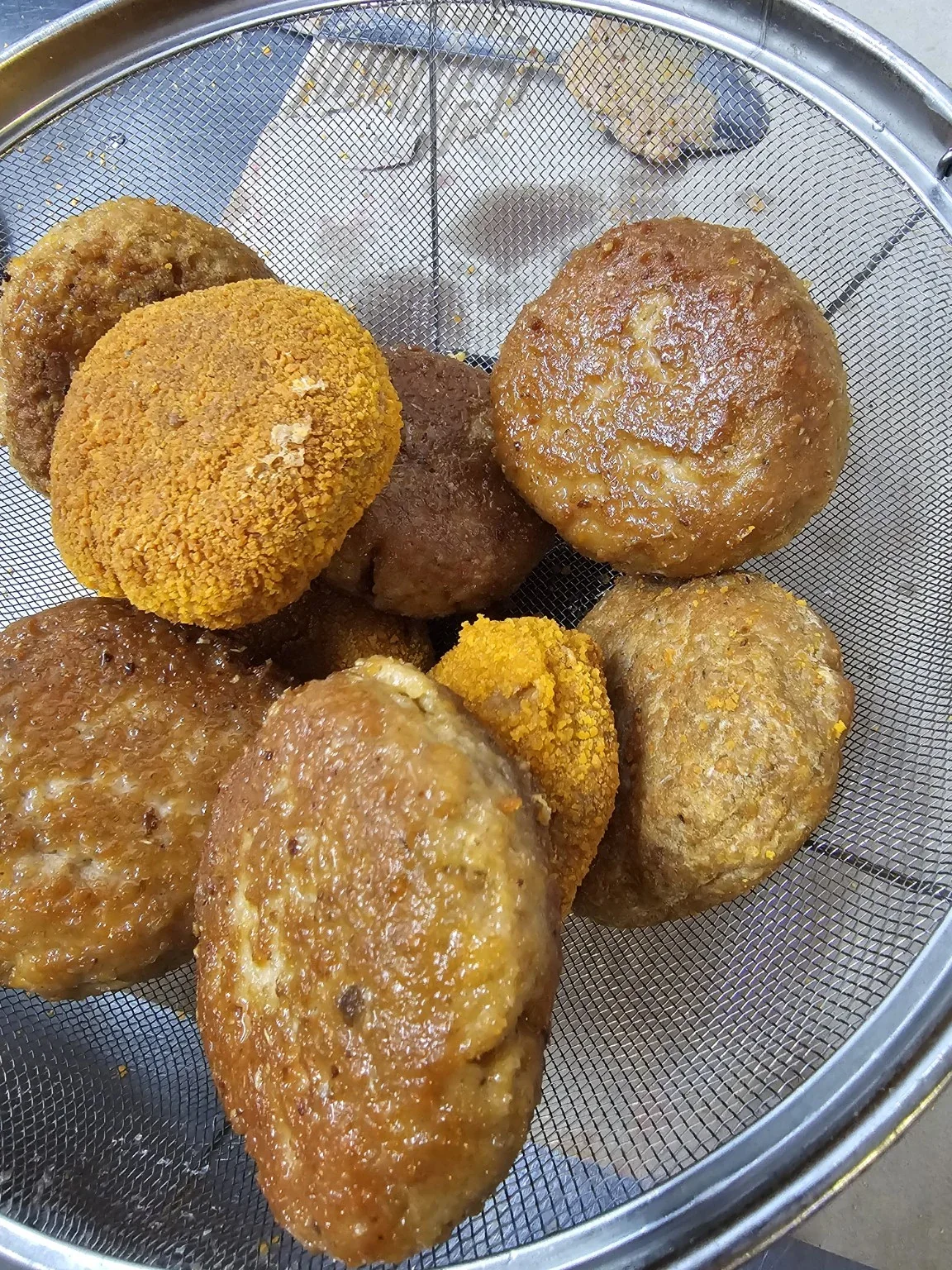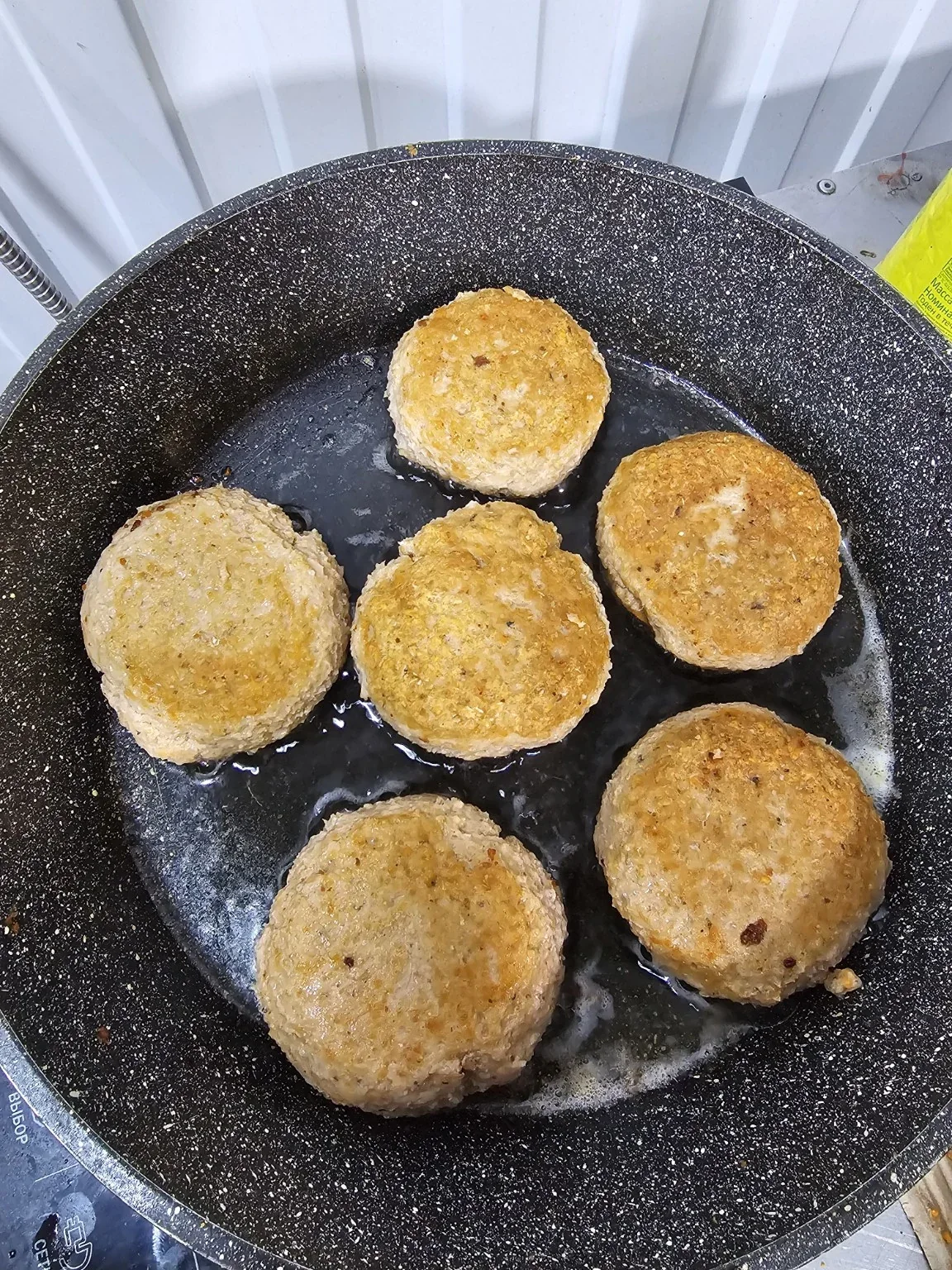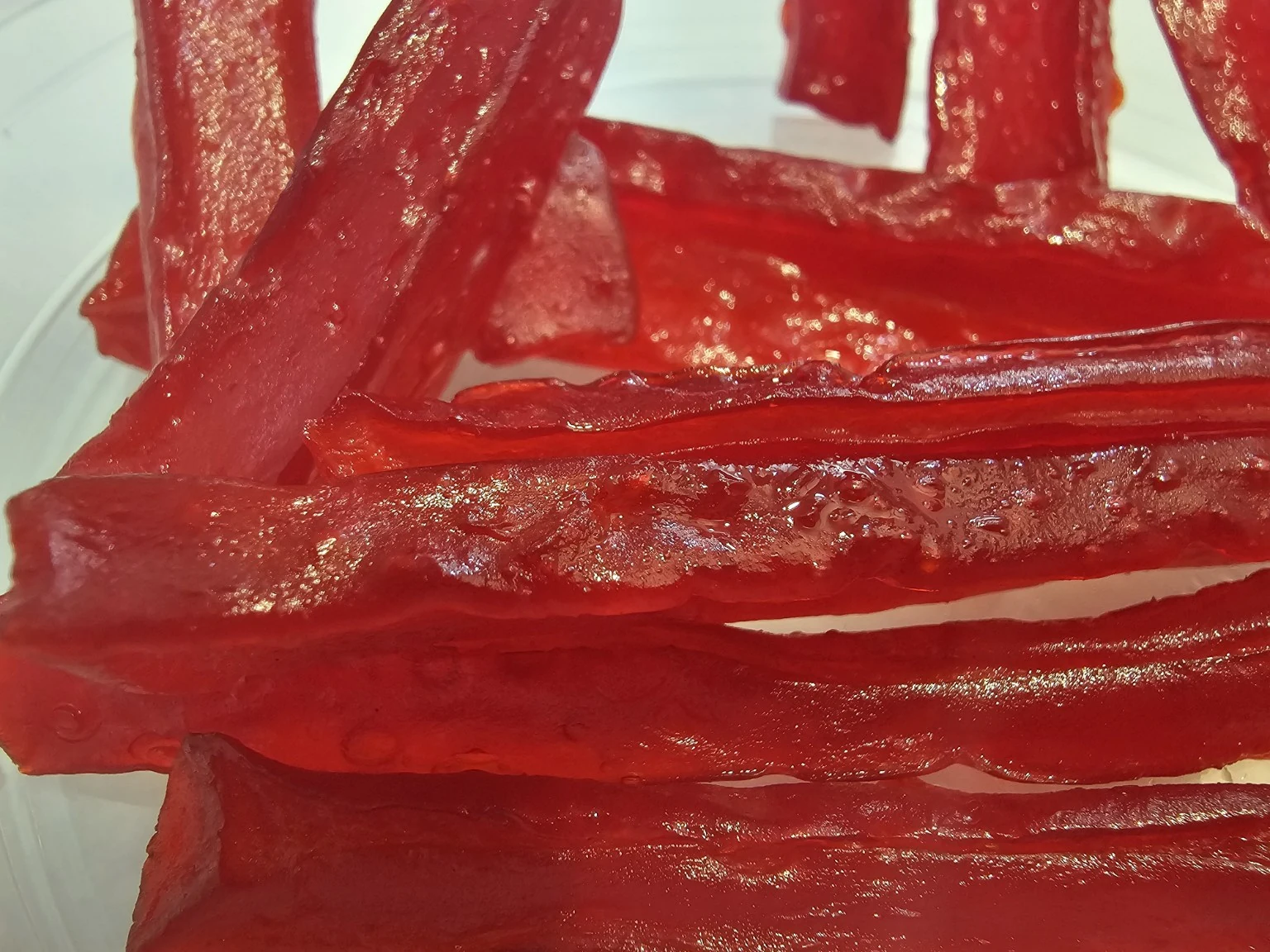
Value-added fish product from the food by-product upcycling project

Food Tech · By-Product Upcycling & Circular Systems

Food By-Product Upcycling & Circular Food Innovation

Technologies for converting selected food-grade by-products and side streams into value-added foods, ingredients and process opportunities, with safety and regulatory eligibility first.

Circular systemsFood TechTechnical details confidential
Current statusFood by-product upcycling and circular-food development portfolioThe project focuses on food-grade streams that remain suitable and legally eligible for human-food processing; specific feedstocks, processing routes and commercial parameters remain confidential.
15Project overview

Concept

The idea

Technologies for converting selected food-grade by-products and side streams into value-added foods, ingredients and process opportunities, with safety and regulatory eligibility first.

  • Food-grade by-product and side-stream upcycling
  • Value-added food and ingredient concepts
  • Process and equipment integration
  • Safety, traceability and confidentiality
FOOD BY-PRODUCT UPCYCLING

From selected food-grade side streams to new food products.

Innovatorius develops controlled technological pathways for suitable fish and seafood by-products that still qualify for human-food processing.

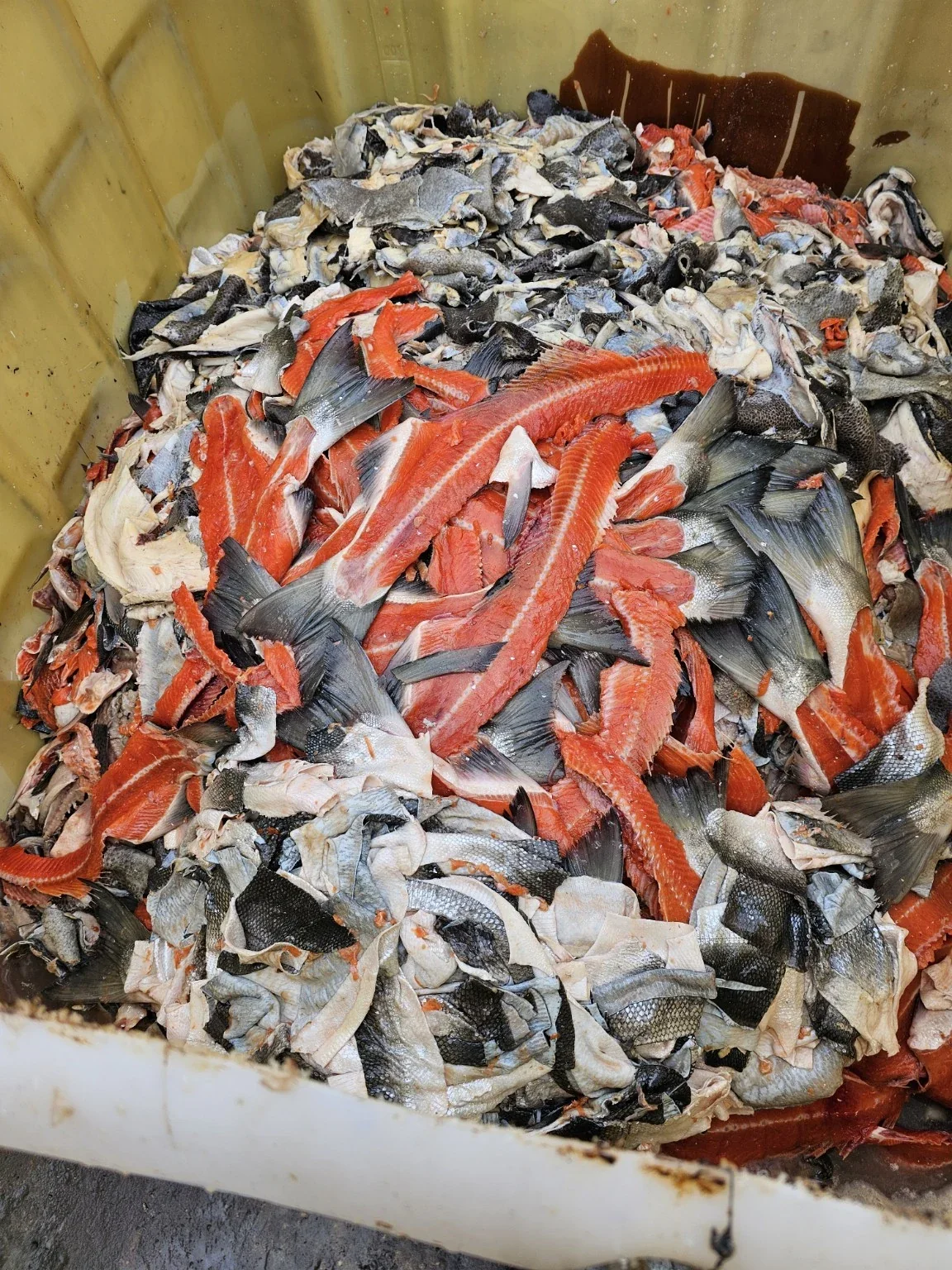
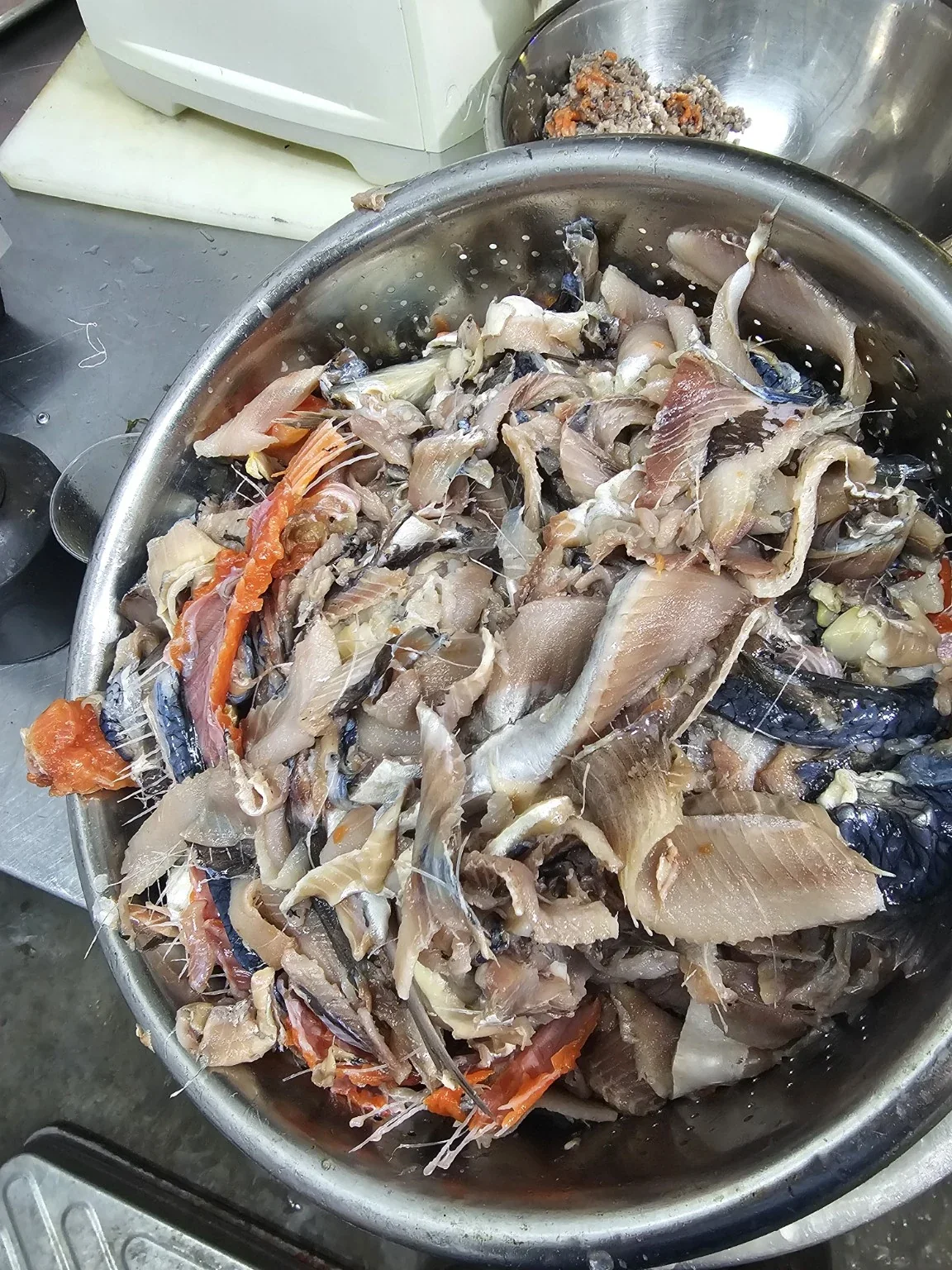
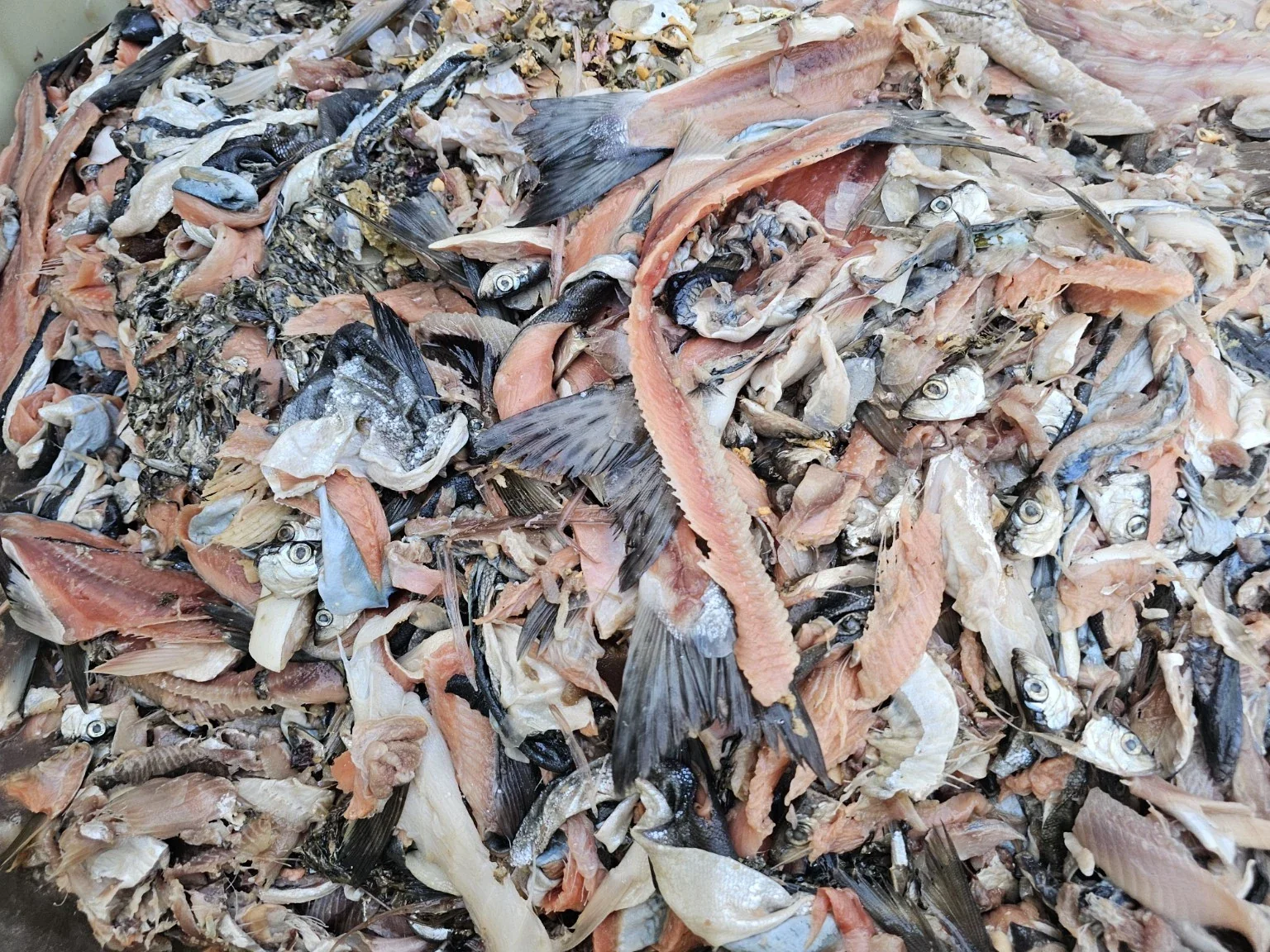
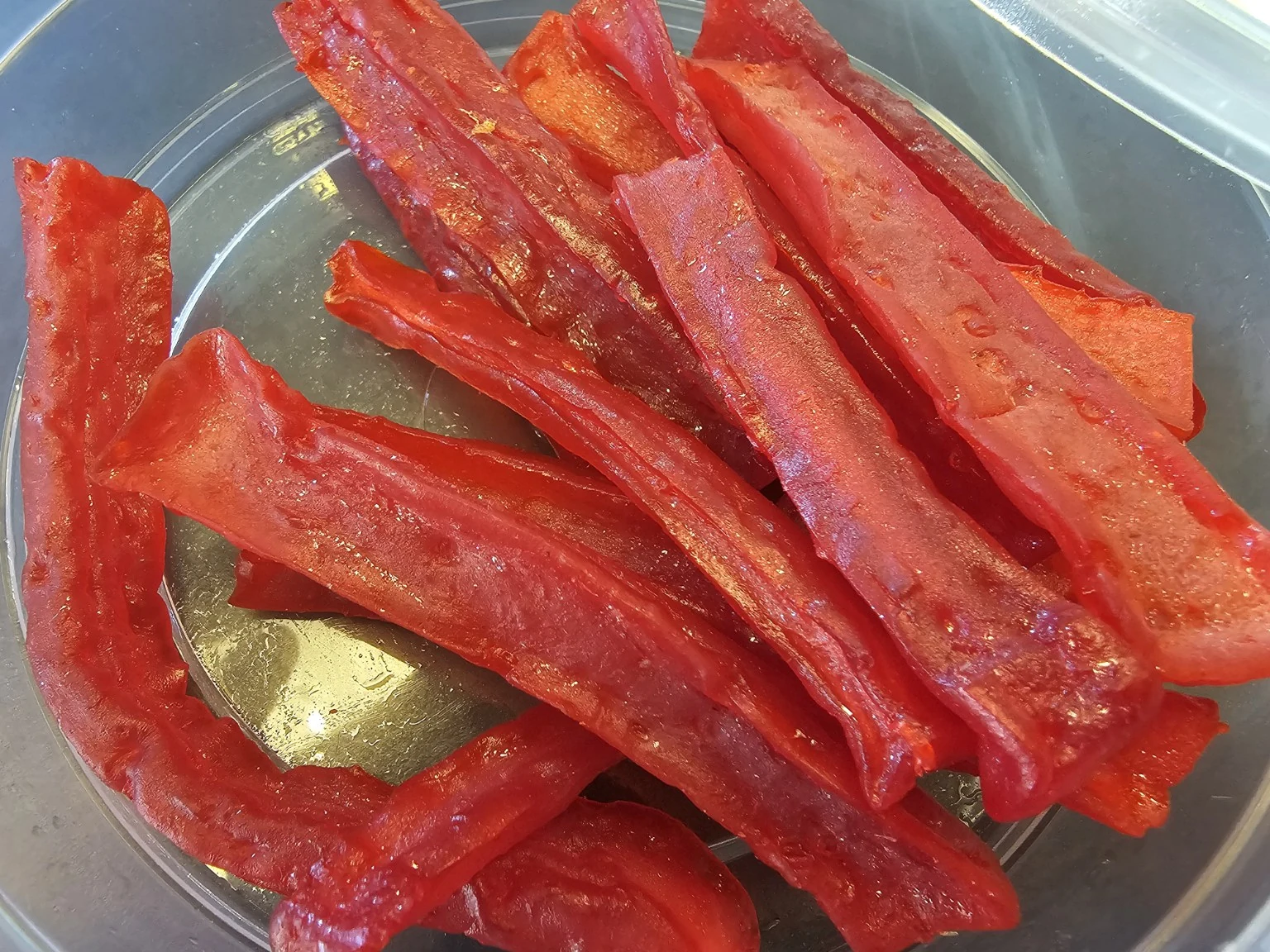
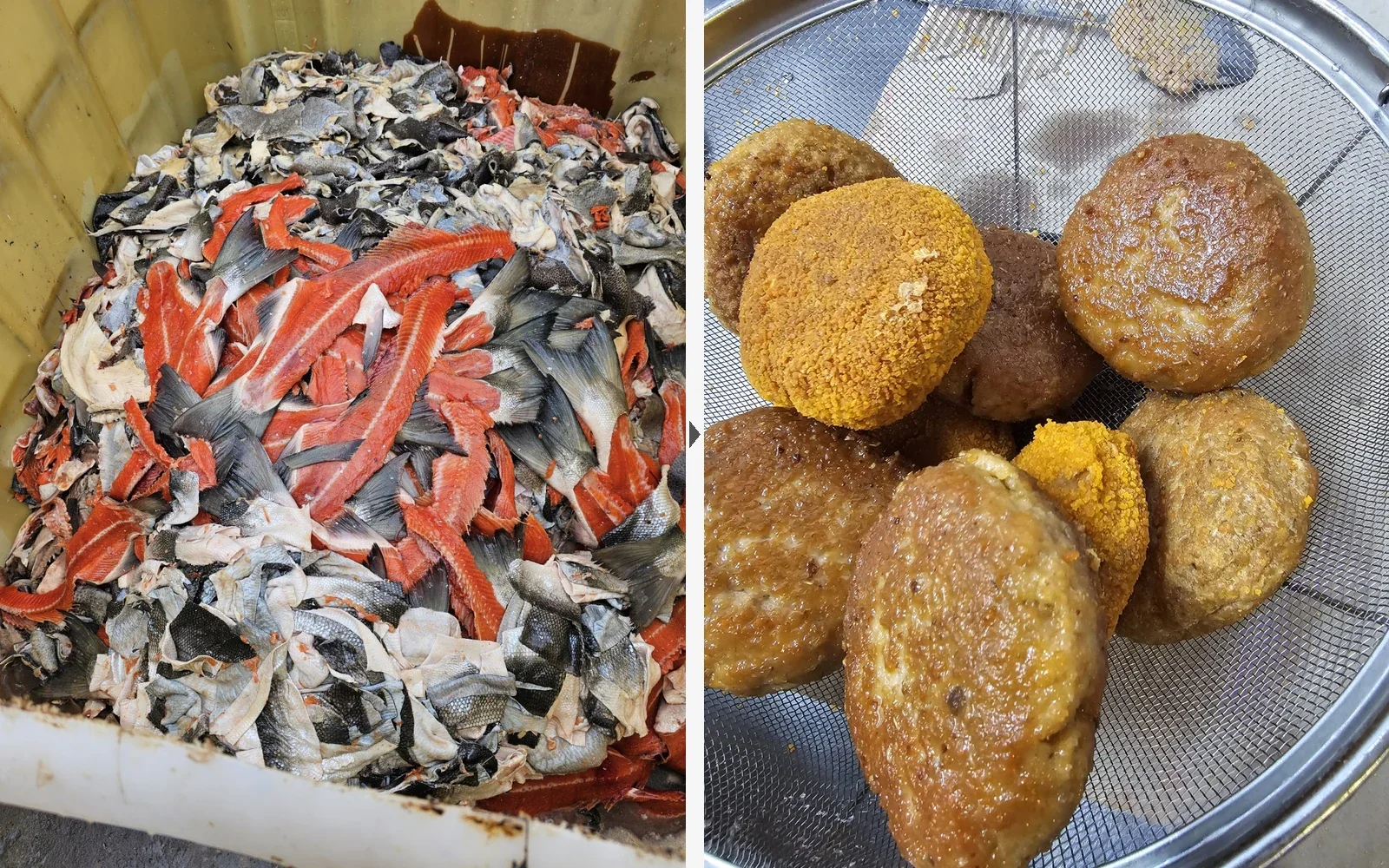
Selected fish-processing by-products shown alongside finished value-added food products
Illustrative transformation path: suitable food-grade side streams → value-added food products.

Suitable input comes first

Fish trim, frames, skin and other by-products are considered only when they are separately handled, traceable, hygienically controlled and suitable from microbiological, chemical and sensory standpoints.

Value is recovered through product design

Depending on the material and target market, selected streams can support structured foods, snack formats, ingredients and other value-added products. The reproducible formulations and process parameters remain confidential.

Food-grade material requirements

The direction uses food-grade side streams suitable for food production, with traceable origins and controlled handling. Material and process selection includes checks of quality, hygiene and target-market requirements.

From raw material to product

Two different photographs from the project archive, shown as an illustrative process comparison.

Selected food-grade raw material
Finished product example

FOOD BY-PRODUCT UPCYCLING

Questions about food by-product upcycling

Which fish-processing side streams can be considered?

Only food-grade side streams that remain suitable and legally eligible for human-food processing are in scope. Spoiled, contaminated or otherwise unsafe material is excluded.

Can a by-product automatically be returned to the food chain?

No. Eligibility depends on the material, how it was generated and handled, traceability, hazards, process controls and the rules of the target market.

What can the technology create?

Depending on the selected raw material and validated process, development may target structured foods, ingredients or other value-added food formats. Exact formulations and process parameters remain protected know-how.

How the project could develop

From idea to practical implementation.

01

What the project addresses

Recover value from suitable food-grade side streams without compromising safety, traceability, product quality or regulatory eligibility.

02

Our approach

Combine material qualification, product design, process architecture and commercial logic around each suitable food-grade stream.

03

Possible applications

Potential routes include value-added foods, B2B ingredient development, process integration, licensing and co-development with food manufacturers.

Possible next steps

Possible directions for further work.

Further work can take different forms depending on the project, its stage and its goals. Possible steps include:

  1. 01
    Material assessmentClarify the objective, intended user and what a useful result would look like.
  2. 02
    Product architectureDevelop a practical technical concept and, where relevant, a workable implementation or commercial model.
  3. 03
    Process validationExplore the main uncertainties using the method best suited to the project: calculations, prototype work, data review or a pilot.
  4. 04
    Commercial integrationUse what is learned to decide whether and how to move forward — independently, with partners or through another route.

Collaboration

Potential collaborators.

Potential routes include value-added foods, B2B ingredient development, process integration, licensing and co-development with food manufacturers.

  • 01Food manufacturer
  • 02Process or equipment partner
  • 03Ingredient or commercialization partner

What is public

What is shown on the site — and what remains confidential.

Specific feedstocks, processing routes and commercial parameters remain confidential.

Project-specific process and product know-how · technical details confidential

Discuss this project