
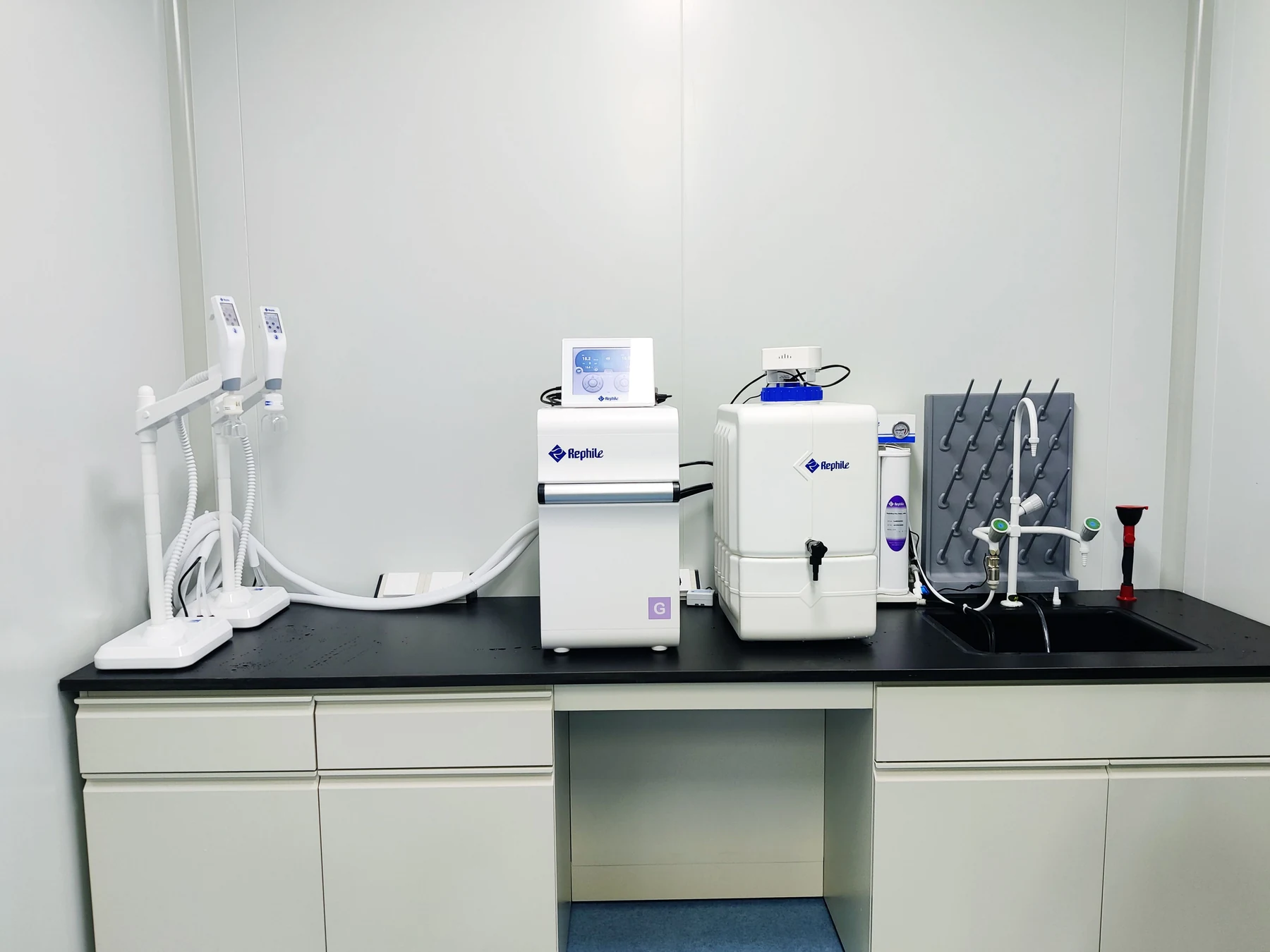
Water Efficiency, Purification & Reuse Innovations

Equipment · Circular Systems

Water Efficiency, Purification & Reuse Innovations

A public innovation overview for water-efficiency, purification and fit-for-purpose reuse concepts spanning household, service and selected industrial contexts.

WaterEquipmentCircular systems
Current statusWater-efficiency innovation directionTreatment, control and system-integration concepts remain confidential; the public page presents the overall development direction.
26Project overview

Concept

The idea

A public innovation overview for water-efficiency, purification and fit-for-purpose reuse concepts spanning household, service and selected industrial contexts.

  • Water-use efficiency concepts
  • Purification and quality-control architecture
  • Fit-for-purpose reuse pathways
  • Household, service and industrial adaptation

How the project could develop

From idea to practical implementation.

01

What the project addresses

Water scarcity, quality requirements and operating costs create demand for systems that use water more efficiently and safely recover value from suitable water streams.

02

Our approach

Frame the problem as a system combining source quality, treatment level, monitoring, user context, maintenance and economics rather than as one generic filter.

03

Possible applications

Potential routes include equipment partnerships, service models, industrial pilots, licensing and project-specific engineering.

Possible next steps

Possible directions for further work.

Further work can take different forms depending on the project, its stage and its goals. Possible steps include:

  1. 01
    Water contextClarify the objective, intended user and what a useful result would look like.
  2. 02
    Treatment objectiveDevelop a practical technical concept and, where relevant, a workable implementation or commercial model.
  3. 03
    Pilot architectureExplore the main uncertainties using the method best suited to the project: calculations, prototype work, data review or a pilot.
  4. 04
    Deployment modelUse what is learned to decide whether and how to move forward — independently, with partners or through another route.

Collaboration

Potential collaborators.

Potential routes include equipment partnerships, service models, industrial pilots, licensing and project-specific engineering.

  • 01Water-technology company
  • 02Equipment or engineering partner
  • 03Property, hospitality or industrial operator

What is public

What is shown on the site — and what remains confidential.

Treatment, monitoring and system-integration concepts · technical details confidential

Treatment, monitoring and system-integration concepts · technical details confidential

Discuss this project